
Why Melbourne Homeowners Need Sewer Cut Back Now: Proven Plumbing Solutions
Melbourne's blend of old brick houses and sleek high‑rise towers leaves the sewer system a jumbled mix of clay, PVC and occasional concrete. When a spot gets clogged, a Sewer Cut Back Often tops the list as the fastest, least invasive fix. Want to know what a cut back involves, when it makes sense, how crews do it, and what to check after? And you’ll spot the signs to watch for once the work’s done.
Understanding Sewer Cut Back In Melbourne
From what I’ve seen, a Sewer Cut Back Is a trenchless trick that cuts out a 300‑500 mm spot of a busted pipe and slides in a new sleeve. It’s not a full‑scale swap, you only dig up the bad part, so you save time and keep the garden or driveway tidy. It’s quick. Works on PVC and even old cracked clay. Got a pipe problem today?
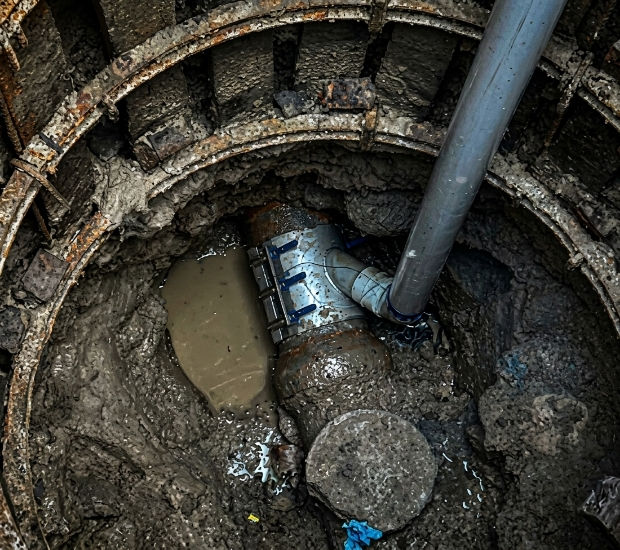
Usually a CCTV sweep spots the blockage or crack, then a tiny hole is bored from the yard. And a pipe‑bore rig snips out the bad bit, drops in a fresh section and seals it up. The dirt around it stays pretty much as it was, a real win where Melbourne’s sandy‑loam shifts with spring rain. Want a fast fix without tearing up the garden?
● Effective for tree‑root intrusion, localized corrosion, or a single collapse.
● Minimal disruption to landscaping and driveways.
● Usually completed in a few hours, not days.
When To Call For A Sewer Cut Back Service
From what I've seen, the warning signs are gurgling noises from several drains, sinks that drain slowly, and a foul smell that lingers after a rainstorm. You might need a Sewer Cut Back. In inner suburbs like Carlton and Fitzroy, old clay pipes crack easily, so those clues often point to a localized failure. Does that sound familiar?
But if after a heavy rain you see water gathering in the yard, it’s probably a stormwater drain issue, not a sewer one. And you’ll want a pro to tell the difference, because trimming the stormwater line won’t fix a sewer back‑up, so you’ll still be stuck.
● Stop using water in the house until a plumber arrives.
● Keep the affected area clear of furniture and toys.
● Document the issue with photos for the plumber’s reference.
Step‑By‑Step Sewer Cut Back Procedure
When a qualified plumber does a Sewer Cut Back In a typical Melbourne home, you’ll see the process unfold fast. First, they run a CCTV sewer inspection Australia to locate the blockage’s exact spot and cause. The camera streams live video, so you can spot a root intrusion, a collapsed pipe or a grease build‑up. Sound familiar?
First they find the nearest spot, usually a garden gully or a basement hatch, then they drill a tiny opening. And a pipe‑bore rig slices out the busted bit, pulling a fresh PVC sleeve right in. But they double‑check the line before closing up, just in case. The joints get a solvent cement that meets Aussie standards, so the seal stays watertight.
● Inspection time: 30‑45 minutes.
● Cut‑back installation: 1‑2 hours.
● Clean‑up: usually under an hour.
Choosing The Right Plumber For Sewer Cut Back
Honestly, not every tradesperson can do a Sewer Cut Back. So, check their licence, does it mention “trenchless technology” or “CCTV sewer inspection”? And make sure they’re part of the Master Plumbers Association, plus have public liability insurance that’ll cover any accidental damage to your property. Got a plumber in mind? Ask them these questions.
And ask about warranties. A solid contractor should back the job for at least five years, covering any leaks that the new sleeve might cause. That’s a tiny price for peace of mind, especially if you own a period home in South Yarra with pipes over a century old. So you won’t be stuck with surprise repairs later.
● Check for a valid Australian plumbing licence.
● Ask for references from recent jobs in your suburb.
● Confirm they use up‑to‑date equipment like high‑definition CCTV cameras.
Post‑Cut Back Maintenance And Long‑Term Care
Once a Sewer Cut Back Is done, you’ve got to keep up with maintenance or the blockages’ll return. Melbourne’s leafy suburbs, like Toorak and Hawthorn, have big trees whose roots love slipping into pipe joints. And a yearly CCTV check? It spots sneaky intrusions before they turn nasty.
But the easiest habit? Keep grease, wipes and coffee grounds out of the sink for you. Even a thin film of grease, builds up over months, then teams up with tree roots and blocks the line. And a mesh strainer on every drain, dump solids in the bin, never the toilet. Got it?
● Schedule a CCTV check every 2‑3 years.
● Run hot water with a small amount of baking soda monthly.
● Trim tree roots near the sewer line away from the pipe.
Common Misconceptions About Sewer Cut Back
Many homeowners think a Sewer Cut Back Is a DIY job, but the reality is that the equipment is heavy, the trench must be precisely aligned, and the sealing process requires specialised solvents. Attempting it yourself can lead to mis‑alignment, which may cause future leaks or even compromise the foundation of a house built on a sloping block in the Dandenong Ranges.
Another myth is that a cut back will cure all drainage problems. It’s great for localized damage, but if the whole line is corroded, a full pipe replacement or relining might be more cost‑effective in the long run. A professional assessment will tell you which route saves you time and money.
● DIY attempts often void insurance coverage.
● Cut backs are best for isolated defects, not systemic pipe decay.
● Professional guidance prevents costly re‑work.
Environmental Impact And Waste Disposal
Once the old section comes out, you’ll find soil, rusted pipe bits and some muck all mixed together. And Melbourne councils, like the City of Port Phillip, insist the waste goes to a licensed site. Does your plumber take care of the paperwork? A good pro will ship it off properly to a landfill that follows Victorian environmental rules.
And because a cut back skips the full trench, you end up with far less disturbed soil, so erosion drops and the local plants stay healthier. That's a big deal in heritage‑listed suburbs, where the garden’s layout helps define a property’s character.
● Plumber arranges transport to a certified waste depot.
● Only a small volume of soil is removed, reducing landfill load.
● Preserves mature trees and landscaping.
Seasonal Considerations For Sewer Cut Back Work
Melbourne’s weather flips fast. And a cut back can be done any time, yet spring and early autumn feel best, ground isn’t soggy. But winter storms soak the soil, making the trench walls wobble when you pry open the access hole on a rainy day. Got your plan?
And if a sudden blockage hits during a rainstorm, a pro will push on, setting up shoring and safety mats to shield the area. Got a forecast? They'll watch it closely and time the job for the safest window.
● Best months: September‑November, March‑May.
● Avoid scheduling during prolonged heavy rain.
● Plumber will use temporary supports if needed.
Conclusion
Melbourne’s mix of old pipes and leafy streets means the Sewer Cut Back Can save homeowners a lot of hassle. Got a slow drain? Spot the signs early, pick a licensed plumber, and stick to the after‑care steps. Your system will thank you for years. And don’t wait; regular checks keep tiny clogs from turning into floods.


Comments