
How to Use Your Gas Fired Portable Pizza Oven Efficiently at Home
Ever wondered why your homemade pizzas never quite match that restaurant quality? Are you tired of soggy centres and burnt crusts? What if we told you that mastering your gas fired portable pizza oven could be simpler than you think?
A gas fired portable pizza oven is genuinely one of the best investments you can make for your outdoor cooking setup. These nifty appliances bring the authentic pizzeria experience right to your backyard, producing beautifully blistered, crispy pizzas in mere minutes. But here's the thing – many people buy these brilliant ovens without really understanding how to get the most out of them.
In this guide, we'll walk you through everything you need to know about how to use a pizza oven like a pro. From setting up your oven safely to achieving that perfect leopard-spotted crust, we've got you covered. You'll learn about ideal temperatures, efficient cooking techniques, and how to avoid those frustrating mistakes that can ruin an otherwise perfect pizza night. Whether you're a complete beginner or looking to refine your skills, this article will help you produce restaurant-quality pizzas that'll have your mates asking for your secret.
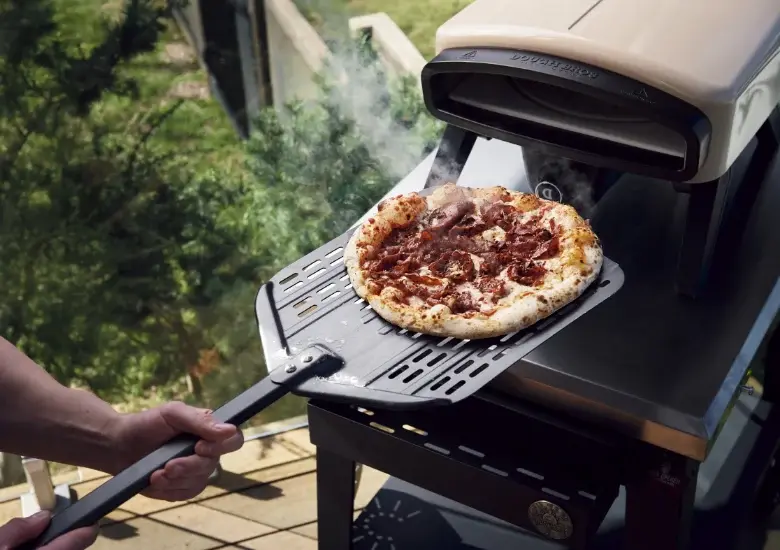
Getting Started: Setting Up Your Gas Fired Pizza Oven
Choosing The Right Location In Your Outdoor Space
Finding the perfect spot for your pizza oven matters more than you might think. You'll want a flat, stable surface away from overhanging trees, fences, and anything flammable. Most manufacturers recommend at least a metre of clearance on all sides.
Consider wind direction too. A gusty spot can mess with your flame consistency and make temperature control tricky. If your backyard is particularly breezy, positioning your oven near a wall or fence (while maintaining safe clearance) can provide some shelter.
Think about convenience as well. You'll be running back and forth between your kitchen and the oven, so don't set it up at the far end of the garden. A spot near your outdoor dining area makes serving those piping hot pizzas much easier.
Connecting Your Gas Bottle Safely
Safety first, always. Before connecting your gas bottle, check all hoses and connections for damage or wear. A simple soap and water solution brushed over connections will reveal any leaks – look for bubbles forming.
Make sure your regulator matches your oven's requirements. Most portable pizza ovens in Australia use standard LPG connections, but double-check your manual. Tighten all connections firmly, but don't overtighten as this can damage the fittings.
Keep your gas bottle upright and stable throughout cooking. Never store spare gas bottles near the oven while it's in use, and always turn off the gas at the bottle when you've finished cooking.
Essential Tools And Accessories You'll Need
You can't make great pizza without the right kit. A good quality pizza peel is absolutely essential – you'll need this to launch pizzas into the oven and retrieve them safely. Metal peels work well for turning and removing, while wooden or perforated peels are better for launching.
An infrared thermometer takes the guesswork out of temperature monitoring. While many ovens have built-in thermometers, these often measure air temperature rather than stone temperature. A turning peel or small hook helps you rotate pizzas without burning your hands.
Don't forget basics like a dough scraper, pizza cutter, and heat-resistant gloves. A wire brush for cleaning the stone and a cover for storage will extend your oven's lifespan considerably.
How to Use a Pizza Oven: A Step-by-Step Guide
Lighting Your Gas Fired Oven Correctly
Lighting your oven properly sets the foundation for great cooking. Open the oven door first to prevent gas buildup. Turn on your gas supply at the bottle, then follow your oven's specific ignition instructions – most have a piezo igniter or require a long match.
Start with a low to medium flame initially. This allows the oven and stone to heat up gradually, which is kinder to the materials and promotes even heat distribution. You'll hear a satisfying roar once the flame catches properly.
If your oven doesn't light within a few seconds, turn everything off and wait a minute before trying again. Gas buildup is dangerous, so patience here is important.
Preheating: How Long Should You Heat a Pizza Oven Before Cooking?
Here's where many home pizza makers go wrong. A gas fired oven typically needs 15-30 minutes of preheating before it's ready for cooking. This isn't just about air temperature – your pizza stone needs to absorb enough heat to cook the base properly.
Watch for visual cues too. The stone should appear slightly lighter in colour when properly heated. Some people even throw a small piece of dough in to test – it should puff and char within seconds.
Don't rush this step. An underheated stone means soggy, undercooked bases no matter how hot your dome temperature reads.
Understanding Temperature Zones and Heat Distribution
Your pizza oven creates different heat zones you can use to your advantage. The back of the oven, nearest the flame, is the hottest. The front, near the door, is cooler.
The stone itself has thermal mass, meaning it holds heat well. The dome reflects radiant heat down onto your pizza's top. Understanding this helps you position and rotate your pizzas for even cooking.
Most efficient cooking happens when both stone and dome are properly heated. The stone cooks the base while the dome's radiant heat blisters the toppings and crust.
What Temperature Should a Gas Pizza Oven Be?
Ideal Temperatures for Different Pizza Styles
For Neapolitan-style pizzas with that characteristic char, you want your stone around 400-450°C. These cook in just 60-90 seconds. The dome temperature should be similarly high.
New York-style pizzas prefer slightly lower temperatures – around 300-350°C – with longer cooking times of 3-5 minutes. This allows the thicker base to cook through without burning.
For thicker, Roman-style pizzas, dial it back to 280-320°C. Experimentation is key. Start with these guidelines, then adjust based on your results.
How to Monitor and Maintain Consistent Heat
Use your infrared thermometer to check stone temperature before each pizza. Aim the laser at the centre of the stone for the most accurate reading. Stone temperature drops after each cook, so allow recovery time between pizzas.
Adjust your flame as needed throughout your cooking session. Higher flames during preheating, then moderate once you're cooking. Opening the door frequently drops temperature quickly, so work efficiently.
Keep a thermometer log of your sessions. You'll quickly learn how your specific oven behaves and how to maintain optimal temperatures.
Cooking Your First Pizza: Techniques for Perfect Results
Preparing Your Pizza Dough And Toppings
Great pizza starts hours before cooking. Make your dough in advance and allow proper fermentation – overnight in the fridge produces excellent flavour. Bring dough to room temperature before stretching.
Keep toppings minimal and properly prepared. Wet ingredients like fresh mozzarella should be drained and patted dry. Pre-cook any raw meats. Slice vegetables thinly so they cook quickly.
Have everything ready before you start cooking. Once that oven's hot, you'll want to work quickly and efficiently.
Launching Your Pizza Without Sticking
Dust your peel generously with semolina or flour. Build your pizza on the peel, keeping it moving occasionally to prevent sticking. Work quickly – the longer dough sits on the peel, the more likely it'll stick.
Give the peel a shake before launching to confirm the pizza slides freely. If it's stuck, gently lift the edges and add more flour underneath.
Launch with confidence using a quick back-and-forth motion, aiming for the centre of the stone.
How Long Does Pizza Take to Cook in a Gas Oven?
At optimal temperatures (400°C+), expect 60-90 seconds for thin-crust pizzas. You'll see the crust puff and char, cheese bubble, and toppings cook through remarkably quickly.
At lower temperatures, cooking takes longer – up to 5-6 minutes. Watch your pizza rather than watching the clock. Every oven and every pizza behaves slightly differently.
Rotating and Monitoring for Even Cooking
After about 30 seconds, use your turning peel to rotate the pizza 180 degrees. The back of your oven is hotter, so this ensures even cooking.
Watch the crust edges. They'll tell you everything about how cooking's progressing. Slight charring is perfect; blackening means too much time in one spot.
How Do You Use a Pizza Oven Efficiently?
Reducing Gas Consumption Without Sacrificing Quality
Once preheated, many ovens maintain temperature well at lower flame settings. Experiment with reducing the flame slightly during cooking – you might be surprised how little gas you actually need.
Don't preheat longer than necessary. Once optimal temperature's reached, start cooking immediately. Extended preheating wastes gas.
Batch Cooking: Making the Most of Your Preheated Oven
Plan your pizza night for maximum efficiency. Have multiple dough balls ready and toppings organised. Cook pizzas back-to-back while the oven's hot.
Allow 2-3 minutes between pizzas for the stone to recover temperature. Use this time to prep the next pizza.
Cooking More Than Just Pizza
Your hot oven is brilliant for more than pizza. Flatbreads, naan, and focaccia all cook beautifully. Try roasting vegetables or finishing steaks in the residual heat.
After pizza service, reduce the temperature and bake desserts like fruit crisps or even cookies.
Common Mistakes to Avoid When Using a Gas Pizza Oven
Why Is My Pizza Burning on the Bottom?
If your bases are burning before toppings cook, your stone's too hot relative to dome temperature. Try letting the stone cool slightly or reducing flame for a few minutes before cooking.
Alternatively, launch pizzas slightly further from the flame source and rotate more frequently.
Troubleshooting Uneven Cooking and Soggy Centres
Soggy centres usually mean too many wet toppings or insufficient preheat time. Use less sauce, drain wet ingredients thoroughly, and give that stone proper time to heat through.
Uneven cooking indicates you're not rotating enough. Make it a habit to turn every 30-45 seconds.
Cleaning and Maintaining Your Gas Fired Pizza Oven
Post-Cook Cleaning Routine
Turn flame to high for 5-10 minutes after cooking to burn off any debris. Once cool, brush the stone with a wire brush. Never use water or soap on a hot stone – it'll crack.
Wipe down the exterior and check your burner for any blockages.
Storing Your Portable Oven Safely
Always disconnect gas before storage. Use a weatherproof cover if storing outdoors. For extended storage, bring it inside or into a garage to protect from the elements.
Enjoying Restaurant-Quality Pizza at Home
Mastering how to use a gas fired portable pizza oven opens up a world of culinary possibilities right in your own backyard. With the right setup, proper preheating, and attention to temperature, you'll be producing pizzas that rival your favourite pizzeria.
The key takeaways? Preheat thoroughly, work efficiently, and don't be afraid to experiment. Every oven has its quirks, and you'll learn yours through practice. Keep your tools handy, your toppings prepped, and your flame consistent.
Most importantly, enjoy the process! There's something wonderfully satisfying about sliding a perfectly crafted pizza into a roaring hot oven and watching it transform in just 90 seconds. Your mates will be impressed, your family will be fed brilliantly, and you'll wonder why you didn't start making homemade pizza sooner. Now get out there and fire up that oven!


Comments