
Why Hiring a Building Inspector Is Essential for Property Owners
Have you ever walked through a property and wondered what secrets are hiding behind those freshly painted walls? What if that charming character home you've fallen in love with is concealing thousands of dollars’ worth of structural damage? And how would you feel discovering major defects just months after signing on the dotted line?
These aren't just hypothetical scenarios—they're real situations that Australian property buyers face every single day. The excitement of purchasing a new home or investment property can quickly turn into a nightmare when hidden problems emerge. From termite damage eating away at structural timber to dodgy renovations that don't meet building codes, the risks lurking behind every property are more common than most buyers realise.
That's exactly why hiring a qualified building inspector should be at the top of your priority list before committing to any property purchase. In this comprehensive guide, we'll explore everything you need to know about building inspections—from understanding what inspectors actually look for, to breaking down costs across Australian states, and helping you choose the right professional for the job. Whether you're a first-home buyer, seasoned investor, or simply curious about protecting your biggest financial asset, you'll discover why this relatively small investment could save you from massive headaches down the track.
What Is a Building Inspection and What Does It Include?
Understanding the Building Inspection Process
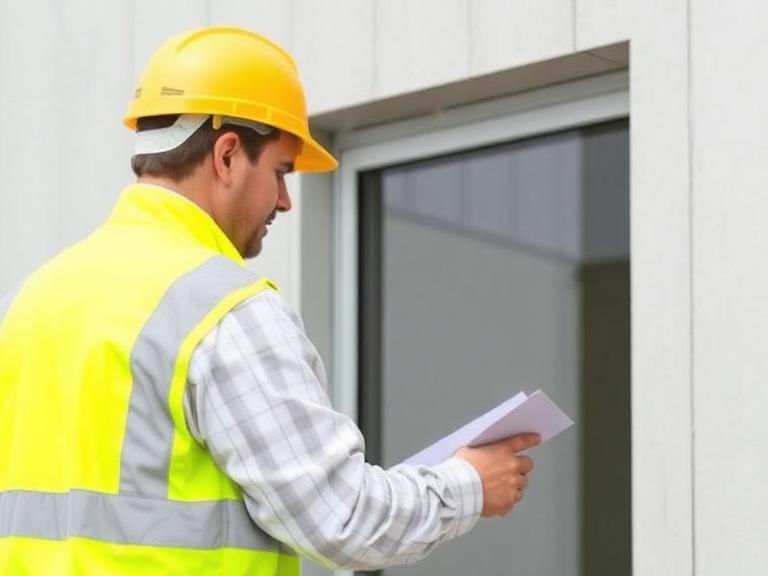
A building inspection is essentially a thorough health check for a property. A qualified inspector examines the visible and accessible areas of a building to identify any defects, safety hazards, or maintenance issues. Think of it as getting a mechanic to check over a used car before you buy it—except the stakes are significantly higher.
The process typically begins with the inspector reviewing any available documentation about the property, including previous building reports or council records. They'll then conduct a physical examination of the entire structure, from the roof down to the foundations. This usually takes anywhere from one to three hours, depending on the property's size and complexity.
What Do Building Inspectors Look For?
Inspectors are trained to spot problems that the average person would never notice. They examine structural elements like foundations, walls, and roof framing for signs of movement, cracking, or deterioration. They'll check for water damage, rising damp, and poor drainage that could lead to long-term issues.
Plus, they look at safety aspects including balcony railings, staircase handrails, and smoke alarm placements. Electrical and plumbing systems get a visual once-over too, though detailed assessments of these require specialist tradespeople.
Types of Building Inspections Available to Property Owners
Pre-purchase inspections are the most common, but they're not the only option. New construction inspections help buyers of off-the-plan properties identify defects before settlement. Periodic inspections suit landlords wanting to maintain their investment properties. There are also renovation inspections for those planning major works, helping identify potential issues before construction begins.
Why Do I Need a Building Inspection Before Buying a House?
Uncovering Structural Defects, You Can't See
Here's the thing—structural defects rarely announce themselves with obvious signs. Hairline cracks might seem cosmetic, but they could indicate foundation movement that'll cost tens of thousands to repair. Sagging rooflines, doors that stick, and uneven floors are all potential red flags that only trained eyes can properly interpret.
A building inspector knows exactly where to look and what these signs mean. They'll crawl into roof spaces, check under floors where accessible, and examine areas that agents hope you won't notice during open inspections.
Identifying Pest Damage and Termite Infestations
Australia has some of the most destructive termite species in the world. These silent destroyers cause more damage to Australian homes than fires, floods, and storms combined. The terrifying part? Termites can be actively eating at your home from the inside out without any visible signs on the surface.
A combined building and pest inspection examines the property for evidence of termite activity, timber decay, and conditions that attract pests. Catching an infestation early can mean the difference between a manageable treatment and a full structural rebuild.
Spotting Illegal Renovations and Compliance Issues
That gorgeous outdoor entertainment area might look impressive, but was it actually approved by council? Illegal renovations are surprisingly common, and they become your problem the moment you settle on a property. You could be forced to demolish unapproved structures or bring them up to code at significant expense.
Inspectors can identify obvious compliance issues and recommend further investigation where needed. This knowledge gives you negotiating power or the option to walk away before you're locked in.
How Much Does a Building Inspection Cost in Australia?
Average Building Inspection Fees Across Australian States
Building inspection costs vary across Australia, but you're generally looking at between $400 and $700 for a standard residential property. Combined building and pest inspections typically range from $500 to $900. Metropolitan areas tend to be pricier than regional locations, and larger or older properties command higher fees due to the additional time required.
What Influences the Cost of a Building Inspection?
Several factors affect pricing. Property size is the most obvious—a five-bedroom house takes longer to inspect than a two-bedroom unit. The property's age matters too, as older homes typically have more areas requiring attention. Access difficulties, such as limited roof space or inaccessible subfloors, can also increase costs.
The inspector's qualifications and experience play a role as well. More experienced inspectors often charge premium rates, but their expertise can be worth every cent when it comes to identifying subtle defects.
Is a Building Inspection Worth the Money?
Absolutely. When you consider that the average Australian home costs hundreds of thousands of dollars, spending a few hundred on an inspection represents exceptional value. Think of it as insurance against making a catastrophic financial mistake. One identified defect could save you tens of thousands in repair costs—or help you negotiate a better purchase price.
What Happens If You Don't Get a Building Inspection?
Real-World Consequences of Skipping an Inspection
The stories are genuinely heartbreaking. First-home buyers who discover their dream home has severe termite damage within months of purchase. Investors who buy sight-unseen, only to find the property needs a new roof. Families who face massive remediation costs after discovering asbestos during minor renovations.
These aren't rare occurrences—they happen across Australia every week. Without professional inspection, you're essentially gambling with your financial future.
The Financial Impact of Undetected Property Issues
Major structural repairs can easily cost $50,000 to $100,000 or more. Termite damage remediation might run into tens of thousands. Even seemingly minor issues like poor drainage or rising damp can cost thousands to properly address.
What's more, if you need to sell a property with known defects, you're legally obligated to disclose them—dramatically reducing your potential sale price.
How Hidden Defects Affect Resale Value
Properties with undisclosed defects that later surface can become virtually unsellable at market rates. Buyers are increasingly savvy, and any hint of past problems sends them running. Your investment property suddenly becomes a liability rather than an asset.
Can a Building Inspector Check for Asbestos and Mould?
Common Health Hazards Found During Inspections
Building inspectors can identify potential asbestos-containing materials and visible mould growth. However, confirming asbestos requires laboratory testing of samples, which falls outside standard inspection scope. Similarly, identifying the specific type of mould and its health implications requires specialist assessment.
What inspectors excel at is flagging suspicious materials and recommending appropriate follow-up testing. They'll note any conditions conducive to mould growth, such as poor ventilation or moisture intrusion.
When Additional Specialist Inspections Are Needed
For properties built before the mid-1980s, a separate asbestos inspection is highly recommended. If significant mould is suspected, a mould assessment specialist can provide detailed analysis and remediation recommendations. Other specialist inspections might include electrical, plumbing, or structural engineering assessments depending on what the building inspector identifies.
How to Choose a Qualified Building Inspector
Essential Qualifications and Licensing Requirements
In Australia, building inspectors must hold appropriate licences in their state or territory. Look for inspectors with building qualifications—ideally a Certificate IV in Building and Construction or equivalent. Professional indemnity insurance is non-negotiable, as this protects you if the inspector misses something significant.
Questions to Ask Before Hiring a Building Inspector
Ask about their experience with similar properties. Request a sample report to see the level of detail provided. Confirm their insurance coverage and licensing. Check whether they're members of professional associations like the Master Builders Association.
Don't forget to ask what's included in their inspection and, crucially, what's excluded. Understanding the limitations upfront prevents disappointment later.
Building Inspections for Investment Properties and Renovations
For investors, pre-purchase inspections are absolutely critical. You're making decisions based on projected returns, and unexpected repair costs can completely destroy your investment calculations. A thorough inspection helps you budget accurately and avoid money pits.
For renovations, inspections help identify what you're working with before engaging tradies. Discovering asbestos or structural issues mid-renovation is far costlier than knowing about them from the start.
How Long Does a Building Inspection Take?
Most residential inspections take between one and three hours on-site. Reports are typically delivered within 24 to 48 hours, though same-day reports are often available for urgent settlements.
Your report should include clear descriptions of any defects, photographs, severity ratings, and recommended actions. A good inspector will also make themselves available to discuss findings and answer your questions.
Protecting Your Investment Starts with Professional Inspection
Throughout this guide, we've explored why building inspections are genuinely essential for anyone purchasing property in Australia. From uncovering hidden structural defects and termite damage to identifying illegal renovations and health hazards, professional inspectors provide invaluable protection against costly surprises.
The relatively modest cost of an inspection—typically $400 to $900—pales in comparison to the potential costs of buying a property with serious defects. Whether you're a first-home buyer, seasoned investor, or planning major renovations, this small investment provides peace of mind that's simply priceless.
So, before you sign that contract or make your final offer, do yourself a favour and book a qualified building inspector in Officer. A professional inspection can help you identify potential issues early, negotiate with confidence, and make a well-informed property decision. Your future self—and your bank account—will thank you for it.


Comments